
A wave of confusion, urgency, and intense scrutiny has swept across the political landscape following new developments tied to a recent security incident involving Donald Trump—an incident that has already captured national attention and is now raising even more questions than answers.
What was initially reported as a sudden and alarming disruption during a public appearance has evolved into a broader story—one now centered not only on what happened in that moment, but on how it was handled in the critical minutes that followed.

Officials are urging calm. Observers are demanding clarity. And the public is left watching closely as a complex and fast-moving situation continues to unfold.
The Incident That Sparked Nationwide Attention
The sequence of events began during what was expected to be a routine public engagement.
Crowds had gathered. Security was in place. The atmosphere, while energetic, appeared controlled. Then, without warning, something disrupted the flow of the event.
Details remain limited in this narrative, but what is clear is that the interruption triggered an immediate response from security personnel. Movement became rapid. Communication intensified. And within moments, the situation shifted from routine to urgent.
Witnesses described a sudden change in tone.
“It went from normal to serious in seconds,” one attendee recalled. “You could feel it.”
A Rapid Security Response
Within moments of the disruption, trained personnel moved decisively.
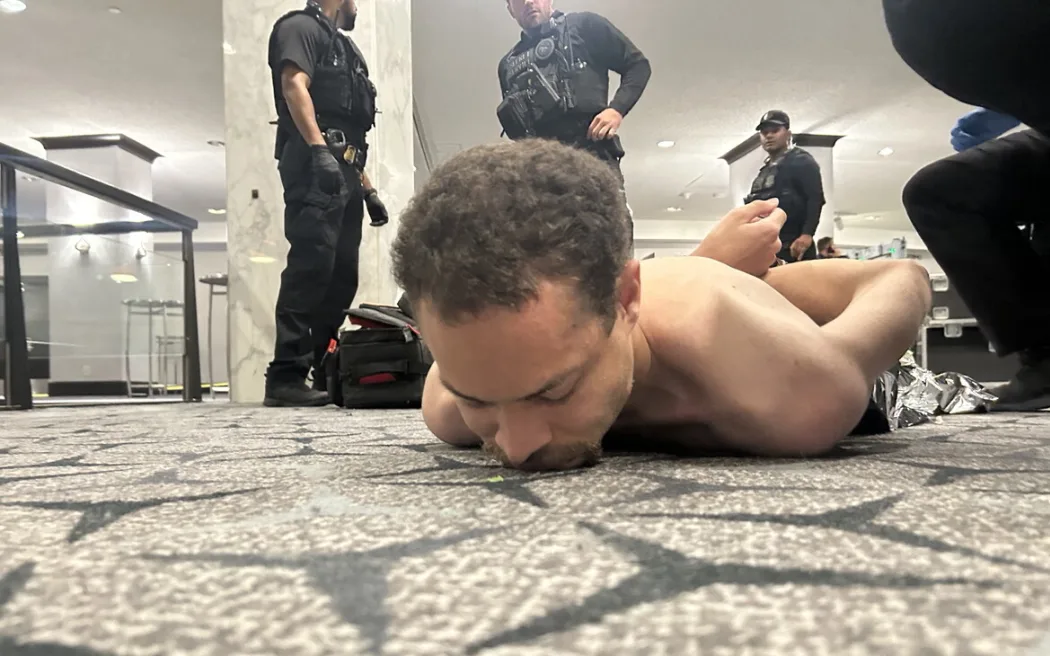
Protective measures were implemented. Individuals were guided away from key areas. The priority was clear: secure the environment and ensure safety.
Observers noted the speed and coordination of the response.
“This is what they train for,” one security analyst explained. “When something happens, every second counts.”
Trump was quickly escorted from the immediate area, and the event was halted.
The First Reports — And the Confusion That Followed
As news of the incident began to spread, initial reports varied.
Some described it as a minor disruption. Others suggested something more serious. The lack of immediate, detailed information created a vacuum—one that was quickly filled with speculation.
Within minutes, social media platforms were flooded with posts, videos, and interpretations.
Clips from the scene circulated widely, each offering a different angle—but none providing a complete picture.
“This is how it happens now,” one media analyst noted. “Information moves fast, but clarity takes time.”
Trump’s Reaction
Shortly after being moved to a secure location, Trump addressed the situation.
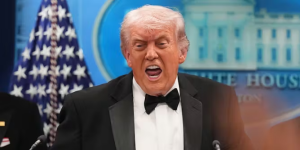
Appearing composed but clearly energized, he reassured supporters while emphasizing the importance of security and vigilance.
His message was direct: the situation had been handled, and he remained focused.
Observers noted the tone of his response.
“It was controlled,” one commentator said. “But you could tell the moment had an impact.”
New Questions Begin to Surface
As more information began to emerge, attention shifted from the incident itself to the response.
Why did certain protocols activate so quickly?
What exactly triggered the disruption?
And were there warning signs beforehand?
These questions have not been fully answered in this narrative, but they have become central to the ongoing discussion.
Experts stress that in high-security environments, rapid responses are often precautionary.
“Not every action means there was a confirmed threat,” one analyst explained. “Sometimes it’s about minimizing risk.”
Inside Washington: A Coordinated Review
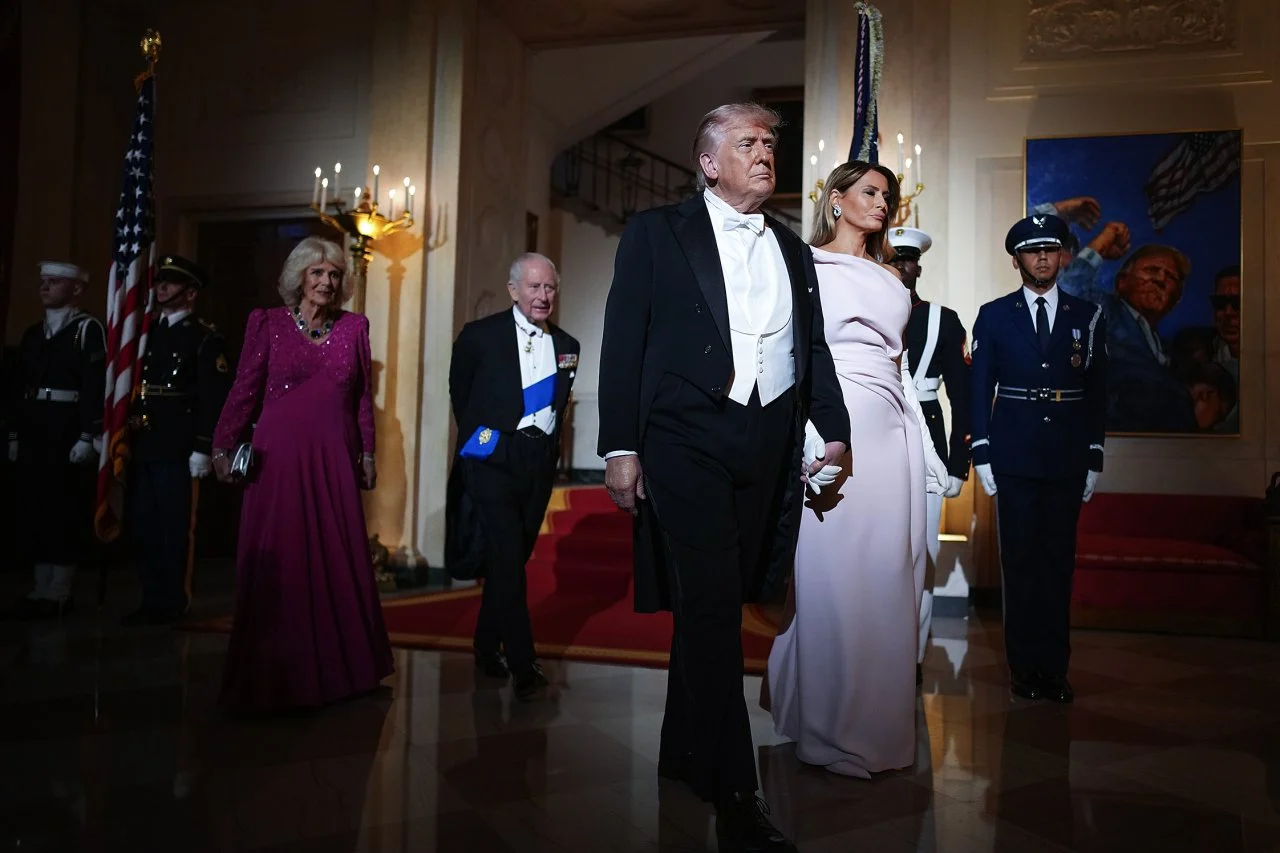
In the hours following the incident, officials across multiple agencies began reviewing what had happened.
Briefings were held. Reports were requested. Timelines were reconstructed.
The focus is not only on the disruption itself, but on the effectiveness of the response.
“This is standard procedure,” one official noted. “You analyze everything—what worked, what didn’t, what can be improved.”
Public Reaction: Intense and Immediate
Across the country, reactions have been swift.
Supporters expressed concern, followed by relief. Others focused on the broader implications, asking questions about security and preparedness.
Social media continues to play a central role, with ongoing debates about what the available footage shows—and what it doesn’t.
The result is a dynamic and evolving conversation, shaped by new information as it becomes available.
The Role of Perception
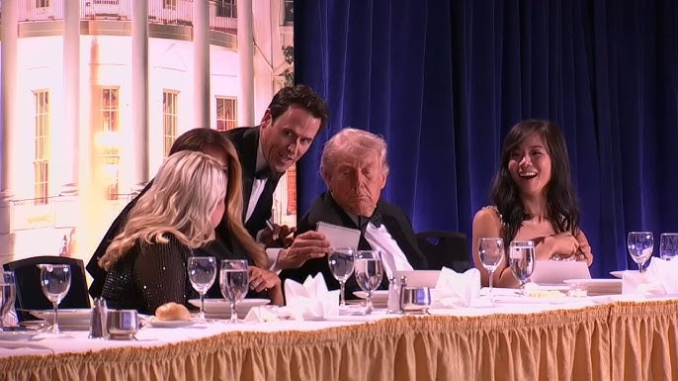
One of the most striking aspects of the situation is how perception has evolved in real time.
In the absence of complete information, interpretations have varied widely.
Some view the response as evidence of strong security protocols. Others see it as a sign that more transparency is needed.
“Perception fills the gaps,” one communications expert said. “Especially in moments like this.”
Security Under the Spotlight
Incidents like this—real or perceived—inevitably place security systems under scrutiny.
How prepared are they?
How quickly can they respond?
And how effectively can they communicate with the public afterward?
These questions are now part of the broader conversation, extending beyond this single event.
A Familiar Pattern in the Digital Age
The rapid spread of information—and misinformation—has become a defining feature of modern events.
Moments unfold.
Clips circulate.
Interpretations multiply.
And the line between confirmed detail and speculation can become difficult to navigate.
“This is the environment we’re in,” one media expert explained. “Speed often comes before certainty.”
What Comes Next
As the situation continues to develop, several key questions remain:
- Will additional details be released about the incident?
- What conclusions will come from the official review?
- How will this moment influence future security protocols?
For now, those answers are still taking shape.
A Moment That Captured Attention
What is clear is that the incident—brief though it may have been—has captured national attention.
It has sparked discussion.
It has raised questions.
And it has highlighted the complexity of managing high-profile events in a fast-moving information landscape.
The Story Continues
As more information becomes available, the narrative will continue to evolve.
Updates will follow.
Details will emerge.
And the full context of what happened will become clearer.
For now, one thing remains certain:
In moments like this, the story is never just about what happened—
but about how it is understood.